US Strikes 3 Iranian Oil Tankers After Tehran Targeted Its Navy Warships - NDTV
The United States hit three Iranian oil tankers after Tehran fired missiles at U.S. Navy destroyers, claiming the vessels were supporting IRGC operations. Both sides warned of further escalation, prompting calls for restraint from the UN and regional partners.
AI Objective Summary
The United States hit three Iranian oil tankers after Tehran fired missiles at U.S. Navy destroyers, claiming the vessels were supporting IRGC operations. Both sides warned of further escalation, prompting calls for restraint from the UN and regional partners.
*Generated automatically for transparency. Verified for objective reporting.
**U.S. Navy Strikes Three Iranian Tankers Following Missile Attacks on Warships**
Washington, D.C. – In the early hours of Saturday, U.S. forces launched precision strikes against three Iranian‑flagged oil tankers in the Gulf of Oman, saying the attacks were a direct response to a series of missile salvos that Tehran fired at U.S. Navy destroyers operating in the region. The Department of Defense released a short video showing the explosions and later described the tankers as “permanently disabled.” According to the Pentagon, the strikes were carried out by naval aircraft and surface ships after the tankers were identified as “support vessels” used by Iran’s Islamic Revolutionary Guard Corps (IRGC) to transport fuel for its missile launch platforms.
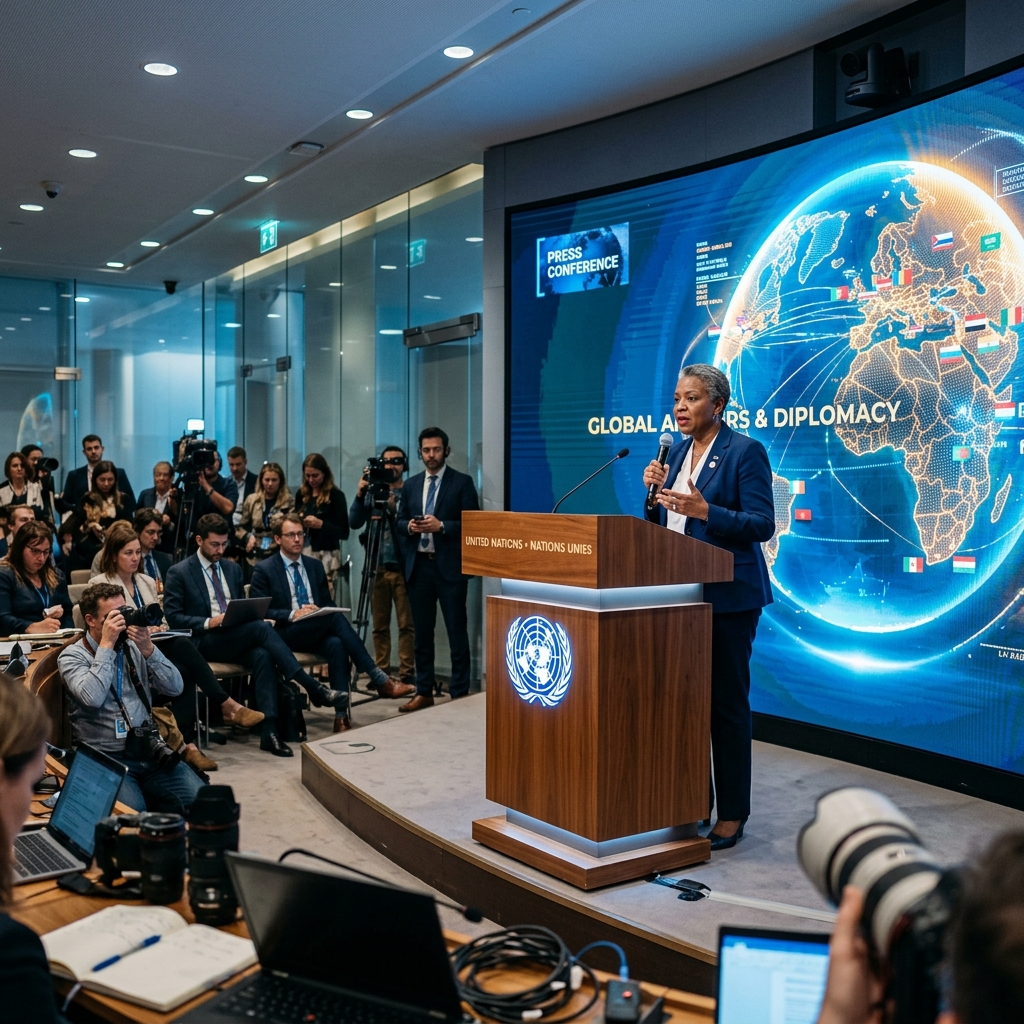
The IRGC immediately countered the U.S. action, claiming responsibility for the earlier missile launches that hit the U.S. warships and stating that it had also targeted three additional vessels it described as “U.S.-linked commercial ships.” Iranian state media reported that the missile barrage caused minor damage to the destroyers but no casualties. The United Nations’ maritime security office has called for restraint from both sides, emphasizing the risk that miscalculations could further destabilize a critical oil‑shipping corridor already strained by geopolitical rivalries and recent regional flashpoints.
The exchange marks the most serious escalation between Washington and Tehran since the 2020 killing of Iranian General Qasem Soleimani and has prompted diplomatic outreach from several allies. European Union foreign policy chief Josep Borrell urged “immediate de‑escalation” and offered to mediate, while the Gulf Cooperation Council warned that continued hostilities could threaten global energy markets. Analysts note that the U.S. decision to target the tankers, rather than the missile launch sites, signals a shift toward striking logistical support assets, a tactic that could invite further retaliation and complicate ongoing negotiations over maritime security in the Strait of Hormuz.
Public Comments Board
Objective discourse and feedback logs (0)