US launches new barrage of strikes on Iran around Strait of Hormuz - Reuters
The United States carried out a series of strikes on Iranian military targets near the Strait of Hormuz in retaliation for recent attacks on U.S. bases in the Middle East. Both Washington and Tehran have issued stern warnings, while international leaders urge de‑escalation to prevent a broader regional conflict.
AI Objective Summary
The United States carried out a series of strikes on Iranian military targets near the Strait of Hormuz in retaliation for recent attacks on U.S. bases in the Middle East. Both Washington and Tehran have issued stern warnings, while international leaders urge de‑escalation to prevent a broader regional conflict.
*Generated automatically for transparency. Verified for objective reporting.
**U.S. Military Strikes Iranian Targets Near the Strait of Hormuz**
Washington announced a coordinated series of air and missile strikes against Iranian military installations and naval assets in the vicinity of the Strait of Hormuz on Thursday, marking the first direct kinetic action against Tehran since the 1979 hostage crisis. The U.S. Central Command said the operations hit “command‑and‑control facilities, air‑defense sites and maritime platforms” that were believed to be preparing for further attacks on American personnel and assets in the region. The strikes were launched in response to a wave of rocket and drone assaults on U.S. bases in Iraq and Syria earlier this week, which the Pentagon attributes to Iranian‑backed militia groups.
The attacks have sparked a rapid escalation of rhetoric on both sides. President Donald Trump, speaking from the White House, called the strikes “very justified” and warned that any further Iranian aggression would meet “harder” U.S. retaliation. Iran’s foreign ministry condemned the U.S. action as a “flagrant violation of international law” and vowed “proportionate” retaliation, while Tehran’s Revolutionary Guard warned of “significant consequences” for any interference with its shipping lanes. The Strait of Hormuz, through which roughly a fifth of global oil shipments pass, remains a flashpoint, and both Tehran and Washington have signaled a willingness to broaden the conflict if diplomatic channels fail.
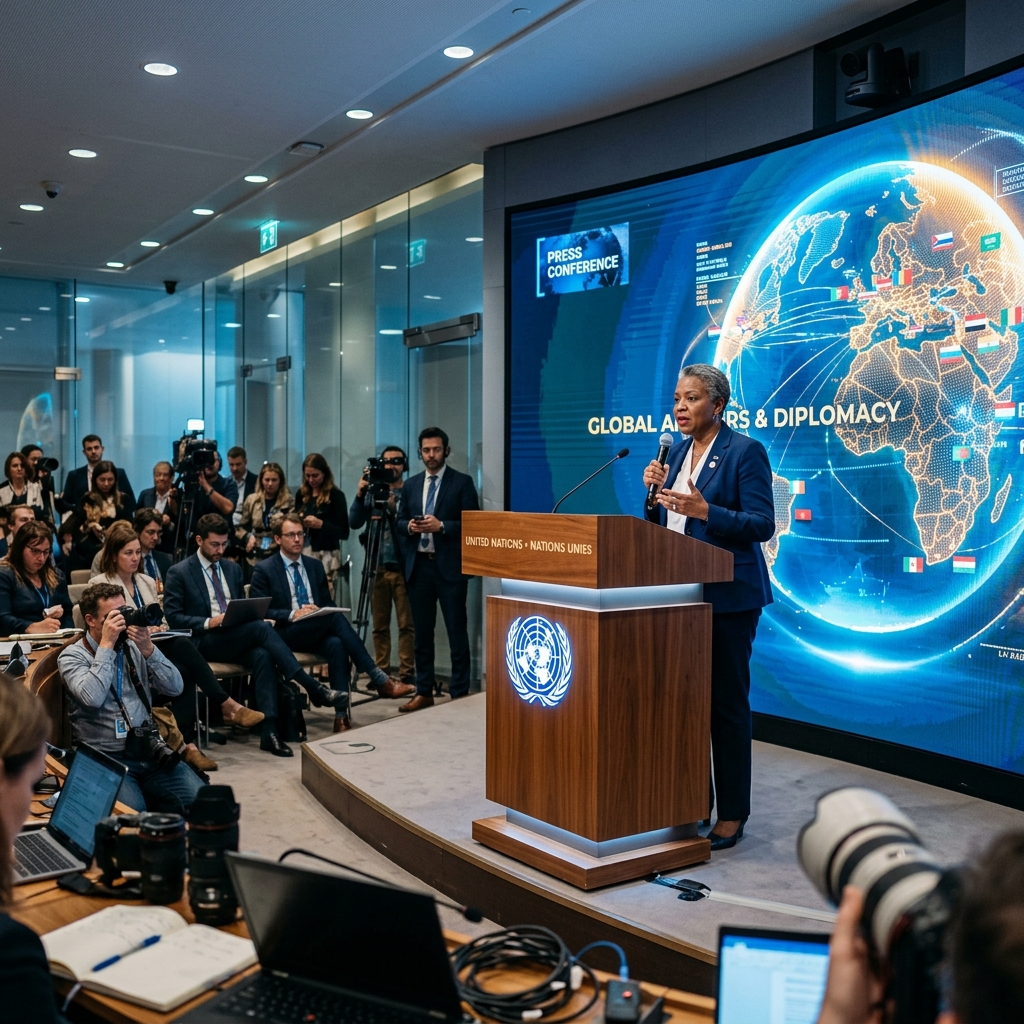
Regional allies and global powers have called for restraint. The United Nations Secretary‑General urged an immediate de‑escalation, emphasizing the risk to global energy markets and maritime safety. Meanwhile, European nations, including the United Kingdom and France, have offered to mediate a dialogue, and Russia warned that further U.S. strikes could destabilize the already volatile Middle East. As both sides assess the aftermath, the world watches closely to see whether the latest exchange will spiral into a wider war or be contained through diplomatic pressure.
Public Comments Board
Objective discourse and feedback logs (0)