Iran urges other nations not to join new US sanctions, mediators focus on reopening strait - Reuters
Iran has appealed to the global community to reject the United States’ latest sanctions, while diplomats from the UN, EU and GCC work to secure safe passage through the Strait of Hormuz. Despite the sanctions, experts say Tehran’s regime remains resilient, and oil markets are absorbing the uncertainty without major price spikes.
AI Objective Summary
Iran has appealed to the global community to reject the United States’ latest sanctions, while diplomats from the UN, EU and GCC work to secure safe passage through the Strait of Hormuz. Despite the sanctions, experts say Tehran’s regime remains resilient, and oil markets are absorbing the uncertainty without major price spikes.
*Generated automatically for transparency. Verified for objective reporting.
**Iran Calls on Nations to Shun New U.S. Sanctions as Diplomats Push to Reopen the Strait of Hormuz** *Reuters – 28 August 2026*
Tehran has issued a stark warning to the international community, urging governments and private firms not to comply with a fresh round of U.S. sanctions aimed at curbing Iran’s oil exports and its alleged support for militant groups. The sanctions, announced by the Biden administration in early August, target a wide array of Iranian entities, including several state‑run petrochemical firms and shipping companies that are believed to facilitate the movement of crude through the Strait of Hormuz. In a televised address, Foreign Minister Hossein Amir‑Abdollahian said the measures “constitute an unlawful act of economic warfare” and called on “all responsible nations to reject any attempts to further isolate Iran.”
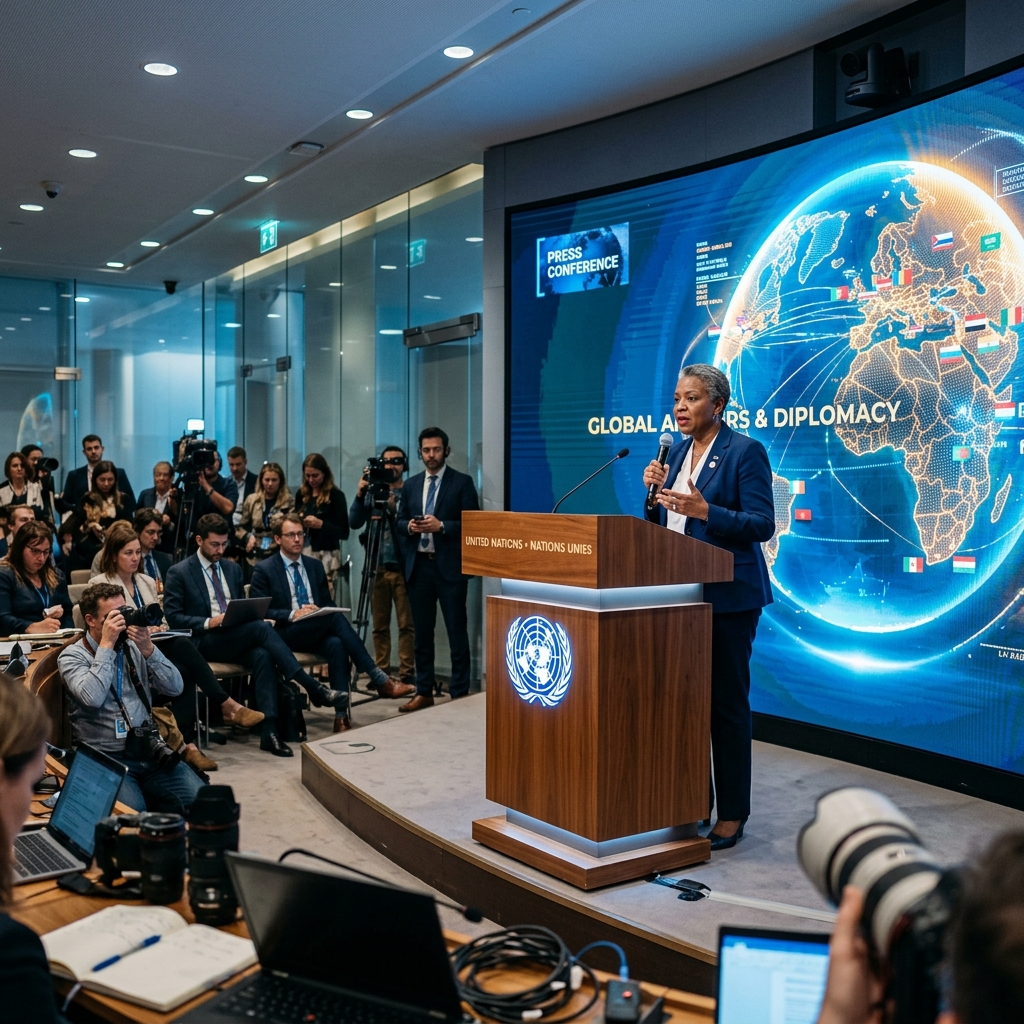
While Tehran’s diplomatic outreach seeks to blunt the impact of Washington’s pressure, a parallel track of negotiations is underway to address the growing volatility in the Strait of Hormuz, a critical chokepoint that handles roughly a fifth of global oil shipments. Representatives from the United Nations, the European Union and the Gulf Cooperation Council have convened in Doha, Qatar, to broker a cease‑fire agreement that would allow commercial vessels to transit the waterway without interference. Mediators say the talks are “focused on de‑escalation and the restoration of safe navigation,” noting that recent skirmishes between Iranian‑aligned vessels and U.S. Navy patrols have raised fears of a broader disruption to energy markets.
Analysts note that the sanctions are unlikely to topple the Iranian regime, echoing conclusions from recent reports in *The Economist* and *Al Jazeera* that the United States’ strategy is yielding modest gains but has not fundamentally altered Tehran’s political calculus. Nonetheless, the tightening financial clamp has forced Iran to lean more heavily on alternative trade routes and barter arrangements, a resilience highlighted in a *Wall Street Journal* piece on how Tehran is sustaining its economy despite U.S. pressure. Meanwhile, oil prices have remained relatively stable, with benchmarks edging lower as traders weigh the choppy conditions in the Hormuz corridor against expectations of continued Iranian output.
Public Comments Board
Objective discourse and feedback logs (0)