Africa gets bigger, North America smaller as UN adopts new world map; US says ‘focus on genuine problems’ | World News - Hindustan Times
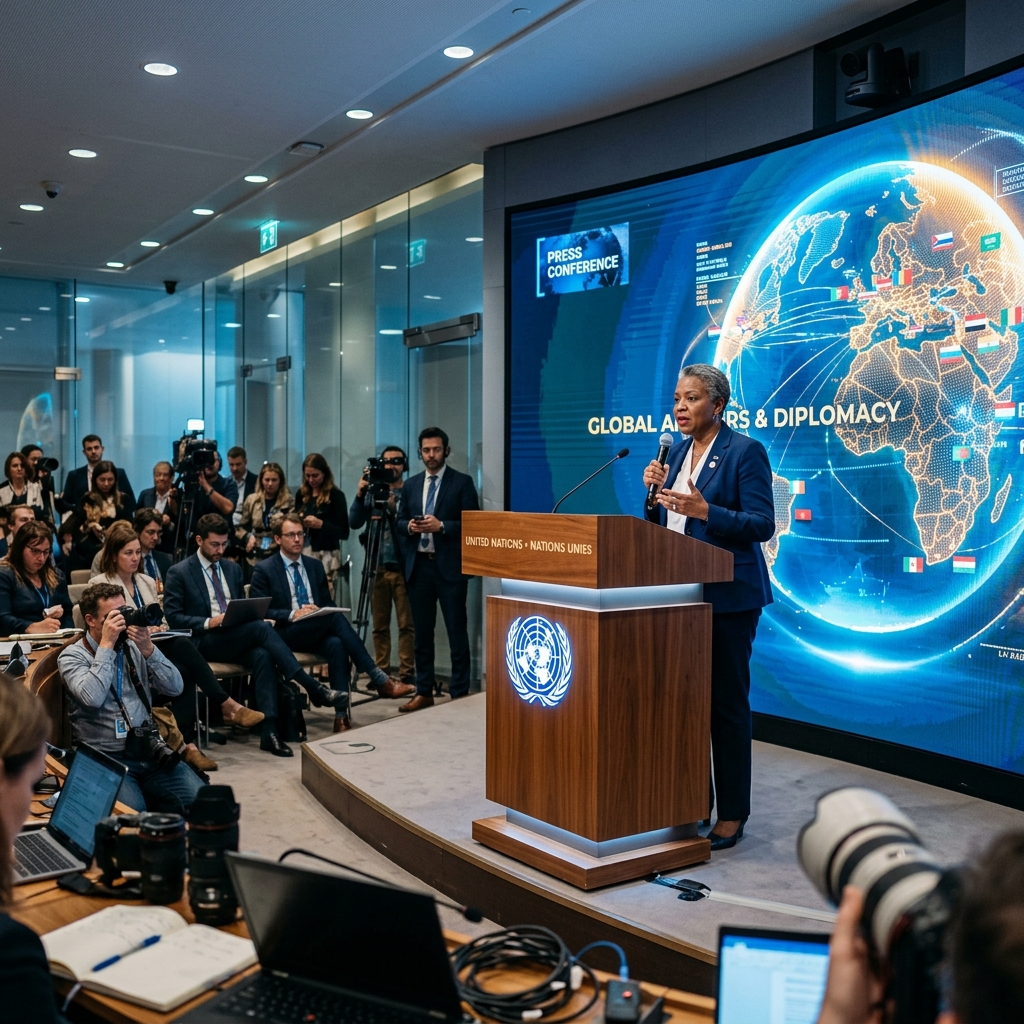
The UN General Assembly overwhelmingly approved a new map that enlarges Africa and shrinks North America, a move supported by 164 nations. The United States opposed the resolution, urging the international community to concentrate on more substantive issues.
AI Objective Summary
The UN General Assembly overwhelmingly approved a new map that enlarges Africa and shrinks North America, a move supported by 164 nations. The United States opposed the resolution, urging the international community to concentrate on more substantive issues.
*Generated automatically for transparency. Verified for objective reporting.
**Africa gets bigger, North America smaller as UN adopts new world map; US says “focus on genuine problems”**
The United Nations General Assembly on Tuesday passed a symbolic resolution (A/RES/80/1) endorsing a new world map that more accurately reflects the continental dimensions of Africa. The vote was 164 in favour, 13 against and two abstentions, marking a rare near‑unanimous consensus on a cartographic issue. The adopted map, based on the African Union’s “Africa‑centric” projection, enlarges the African continent while proportionally reducing the size of North America and other regions that appear distorted in the widely used Mercator projection.
Support for the resolution came from a broad coalition of countries across Africa, Asia and Latin America, with India casting a notable affirmative vote, as reported by *The Hindu* and *NDTV*. Proponents argued that the conventional Mercator map, a legacy of 16th‑century navigation, perpetuates a Euro‑centric worldview and downplays Africa’s true landmass, influencing perceptions in education, media and policy. The United Nations’ adoption of the new map is intended as an educational tool to promote geographic literacy and to counter long‑standing visual biases.
The United States voted against the measure, joining a small bloc that included Israel, the Czech Republic and a few others. In a statement released by the U.S. Mission to the United Nations, the delegation said the resolution “does not advance any substantive agenda” and urged member states to “focus on genuine problems such as poverty, climate change and conflict resolution.” While acknowledging the symbolic nature of the vote, the United States emphasized that resources and diplomatic attention should be directed toward pressing global challenges rather than cartographic adjustments.
Public Comments Board
Objective discourse and feedback logs (0)