‘No aggressive element’: Pakistan on defence pact with Saudi Arabia amid Houthi strikes on Mecca | World News - Hindustan Times
Pakistan and Saudi Arabia have signed the Makkah Defence Agreement, a defensive pact focused on protecting Mecca and Medina after recent Houthi attacks. The deal, which includes intelligence sharing and potential Pakistani troop deployments, has prompted concern from regional powers such as India, Iran, and Turkey.
AI Objective Summary
Pakistan and Saudi Arabia have signed the Makkah Defence Agreement, a defensive pact focused on protecting Mecca and Medina after recent Houthi attacks. The deal, which includes intelligence sharing and potential Pakistani troop deployments, has prompted concern from regional powers such as India, Iran, and Turkey.
*Generated automatically for transparency. Verified for objective reporting.
**Pakistan and Saudi Arabia Seal “Makkah Defence Agreement” as Houthi Rockets Hit the Holy City**
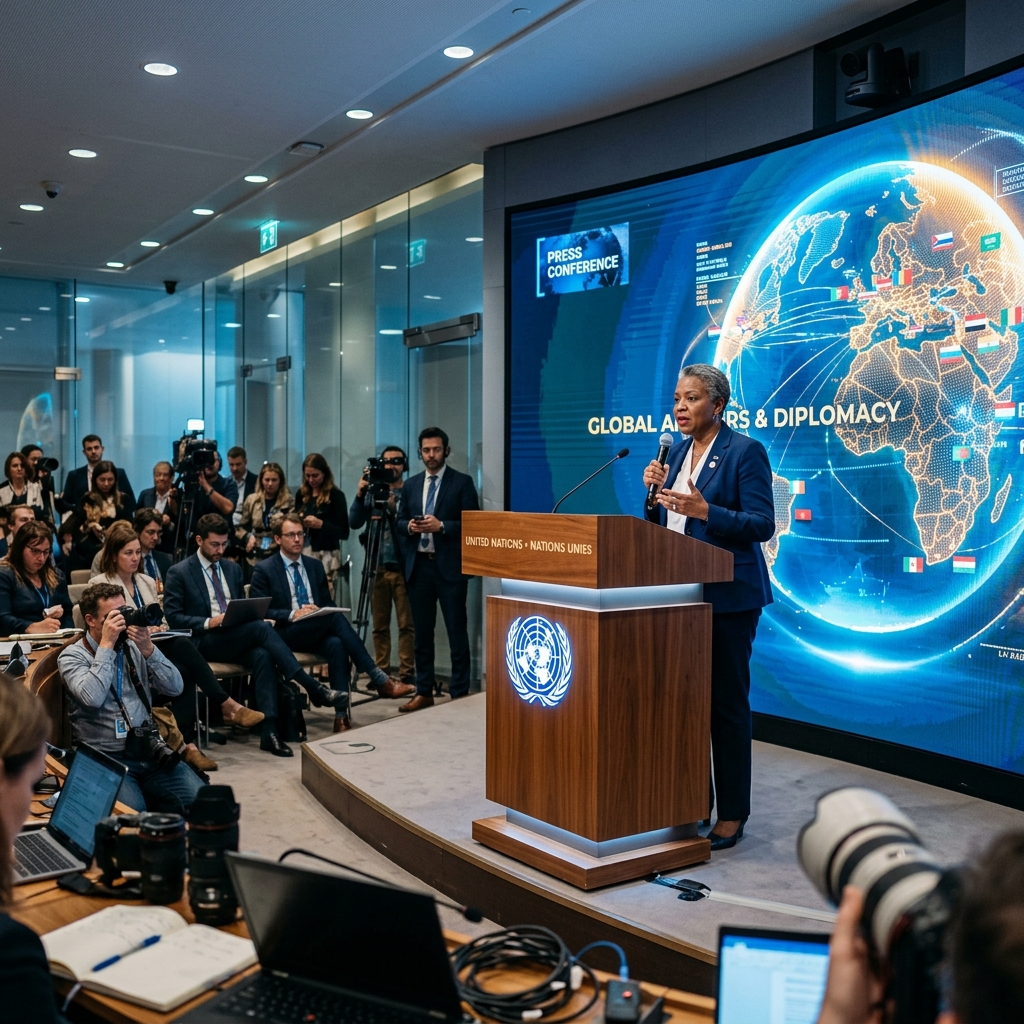
*Riyadh –* In a joint press conference on Monday, Pakistan’s foreign minister Shah Mahmood Qureshi and Saudi Arabia’s minister of defense, Prince Khalid bin Salman, announced a new security framework – the **Makkah Defence Agreement** – aimed at safeguarding the holy sites of Mecca and Medina from external threats. The pact comes just days after the Houthi militia of Yemen launched a series of missile and drone attacks that struck the vicinity of the Grand Mosque, prompting fears of a broader escalation in the Red Sea corridor. Both governments emphasized that the accord is strictly defensive, with Qureshi stating, “There is no aggressive element in this agreement; it is a collective deterrence mechanism to protect sacred places and civilian lives.”
Under the agreement, Pakistan will provide **intelligence sharing, aerial surveillance, and rapid‑response forces** that can be deployed on Saudi soil to protect pilgrims and critical infrastructure during the annual Hajj season and other high‑traffic periods. A joint command centre will be established in Riyadh to coordinate real‑time monitoring of missile trajectories and to facilitate swift counter‑measures. The deal also includes provisions for **training Saudi security personnel**, joint exercises, and a framework for “collective deterrence” that could be invoked should any hostile actor threaten the holy cities. Saudi officials highlighted Pakistan’s long‑standing experience in counter‑insurgency and its strategic location, while Pakistani officials pointed to the historic friendship between the two nations and the shared responsibility of protecting Islam’s holiest sites.
The pact has reverberated across the region, drawing sharp reactions from **India**, **Iran**, and **Turkey**. New Delhi’s foreign ministry expressed “concern” that the agreement may shift the security calculus in the Arabian Peninsula and complicate India’s own defense engagements with Gulf states. Tehran condemned the deal as “an attempt to encircle Iran” and warned that any militarisation around the holy sites could destabilise the already volatile Yemen conflict. Meanwhile, Turkish officials, while welcoming stronger Saudi‑Pakistani ties, cautioned that the agreement should not undermine the broader goal of regional de‑escalation. Analysts note that the Makkah Defence Agreement underscores Pakistan’s growing role as a security partner for Saudi Arabia and reflects Riyadh’s drive to diversify its defence collaborations amid strained relations with the United States.
Public Comments Board
Objective discourse and feedback logs (0)